Introduction
Fireworks and thunderstorms can turn an otherwise confident dog into a trembling, panting, or desperate animal looking for somewhere to hide. Loud bangs, sudden flashes, vibrations, and unpredictable sounds can trigger a powerful fear response. For some dogs, the reaction is mild. For others, it can become severe enough to cause escape attempts, destructive behavior, or panic.
The good news is that how to desensitize dogs to fireworks and thunderstorms is not simply about making them “get used to” loud noises. Effective training involves controlled exposure, positive associations, patience, and careful attention to your dog’s body language. Sound therapy can help, while tools such as Thundershirts may provide additional support during stressful situations.
The key is to start before the next major storm or fireworks event. Once a dog is already panicking, learning becomes much harder. Veterinary behavior guidance recommends systematic desensitization and counterconditioning as important approaches for noise-related fears.
Why Are Dogs Afraid of Fireworks and Thunderstorms?
Dogs hear sounds differently from humans, and sudden noises can be particularly startling. Fireworks are unpredictable, with explosions occurring at varying distances, while thunderstorms combine thunder with lightning, wind, rain, atmospheric changes, and other unfamiliar sensations.
Some dogs develop noise fear after a single frightening experience. Others become increasingly sensitive after repeated stressful exposures. Noise sensitivity can range from mild panting and pacing to intense panic, hiding, escape attempts, trembling, or destructive behavior.
Thunderstorm anxiety can be especially complicated because you cannot completely reproduce a real storm during training. A recording can recreate thunder, but it cannot perfectly reproduce flashes of lightning, changing pressure, wind, rain, and other environmental cues.

That is why desensitizing dogs to fireworks and thunderstorms should focus on improving their overall emotional response rather than expecting them to become completely indifferent to every storm.
What Is Desensitization and Counterconditioning?
Desensitization means exposing your dog to a frightening stimulus at an intensity low enough that they remain comfortable. You then increase the intensity gradually over multiple training sessions.
Counterconditioning works alongside desensitization by changing what the dog associates with the scary stimulus. Instead of hearing thunder and immediately expecting something frightening, the dog begins to associate the sound with something positive, such as high-value treats, play, or relaxation.
For example, you might play a very quiet recording of thunder while your dog calmly eats small pieces of chicken. Over time, the sound becomes associated with something pleasant.
The distinction matters because simply blasting fireworks recordings at full volume is not proper desensitization. If your dog becomes frightened, you have moved too quickly and may actually strengthen the fear response.
How to Desensitize Dogs to Fireworks and Thunderstorms
Start When Your Dog Is Calm
The best time to begin training is when there are no fireworks or storms happening outside. Your dog should already be relaxed before you introduce the sound.
Choose a quiet room and teach your dog a reliable relaxation behavior such as settling on a mat or bed. Reward calm body language with valuable treats.
The goal is to create a predictable routine: your dog hears a sound, remains relaxed, and receives something rewarding.
Veterinary behaviorists recommend establishing this relaxed behavior before deliberately introducing the feared sound.
Begin With Extremely Quiet Sound
Choose a high-quality recording of fireworks or thunderstorms. Play it at a barely audible volume.
Watch your dog carefully. They should still be willing to eat, play, settle, or respond normally to you. If your dog freezes, pants, scans the room, tries to hide, stops eating, or becomes restless, reduce the volume immediately.
The starting level should feel almost boring to your dog. That may seem too easy, but that is exactly the point.
You are teaching the nervous system that the sound can exist without anything bad happening.
Pair the Sound With Something Your Dog Loves
Once the recording is playing quietly, offer a particularly valuable reward. This could be small pieces of cooked chicken, a favorite food reward, a stuffed enrichment toy, or a game your dog genuinely enjoys.
Continue rewarding relaxed behavior while the sound plays.
This is counterconditioning in practice. The scary stimulus becomes a predictor of something positive instead of something threatening.
Increase the Volume Slowly
Do not increase the volume dramatically just because your dog handled the previous session well.
Make small adjustments and observe your dog’s reaction. If your dog remains relaxed, you can gradually increase the intensity during future sessions.
If your dog reacts, return to the previous comfortable level. Continuing while the dog is frightened can undermine the training and may increase sensitization.
Consistency matters more than speed. Some dogs improve within several weeks, while others require months of careful training.
How Sound Therapy Can Help With Noise Anxiety
Sound therapy can be useful because it gives you control over the intensity of the trigger. Real fireworks and thunderstorms are unpredictable, but a recording can be paused, lowered, or stopped.
During training, sound should be quiet enough that your dog remains relaxed. Over time, you can gradually increase the volume while continuing to reinforce calm behavior.
Background sounds can also help during an actual storm or fireworks event. Soft music, television, white noise, or another consistent household sound may help reduce the contrast between the frightening noise outside and the quieter indoor environment.
However, sound therapy should not be treated as a quick fix. The purpose of structured sound exposure is to change your dog’s emotional response gradually.
Can a Thundershirt Help During Fireworks and Storms?
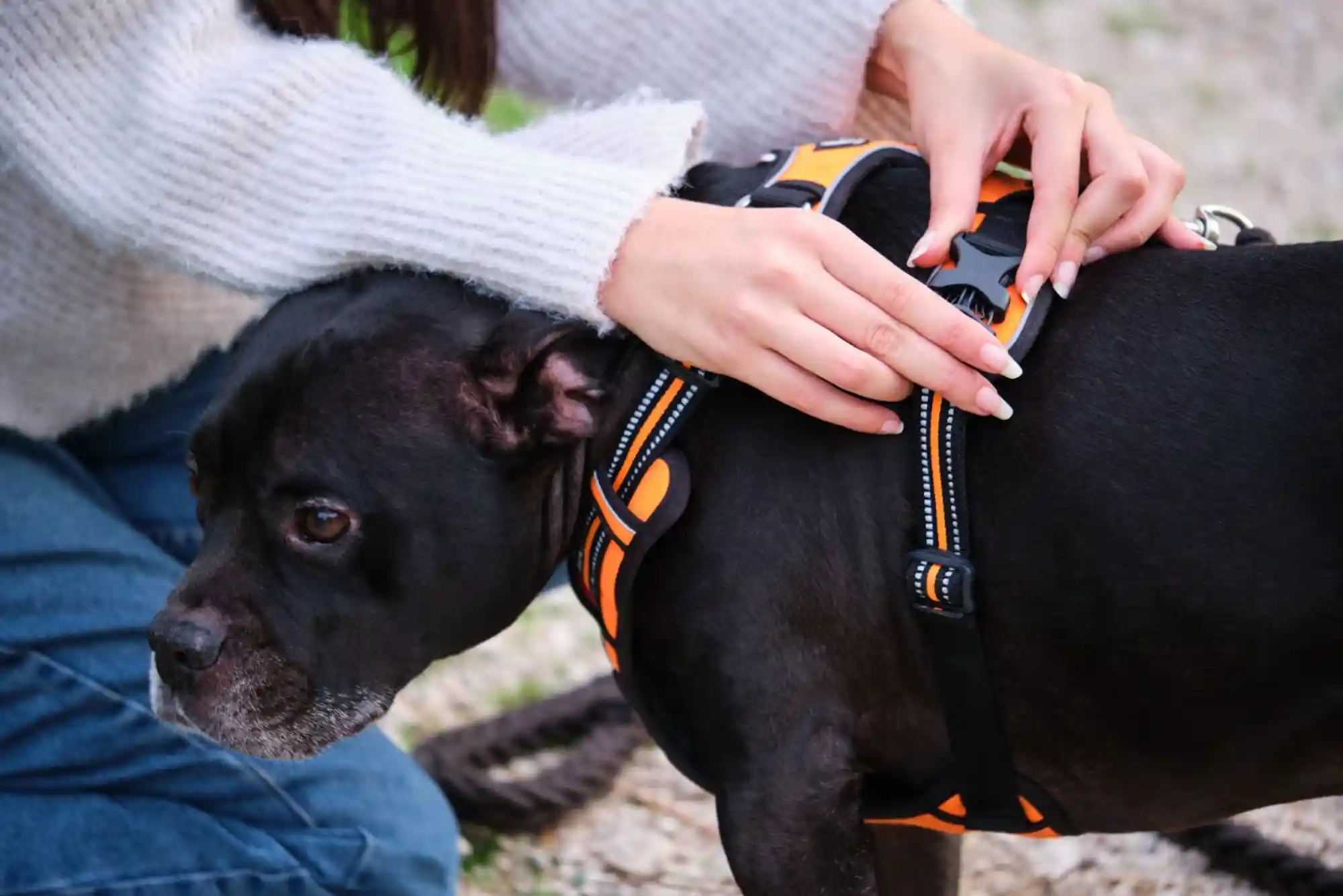
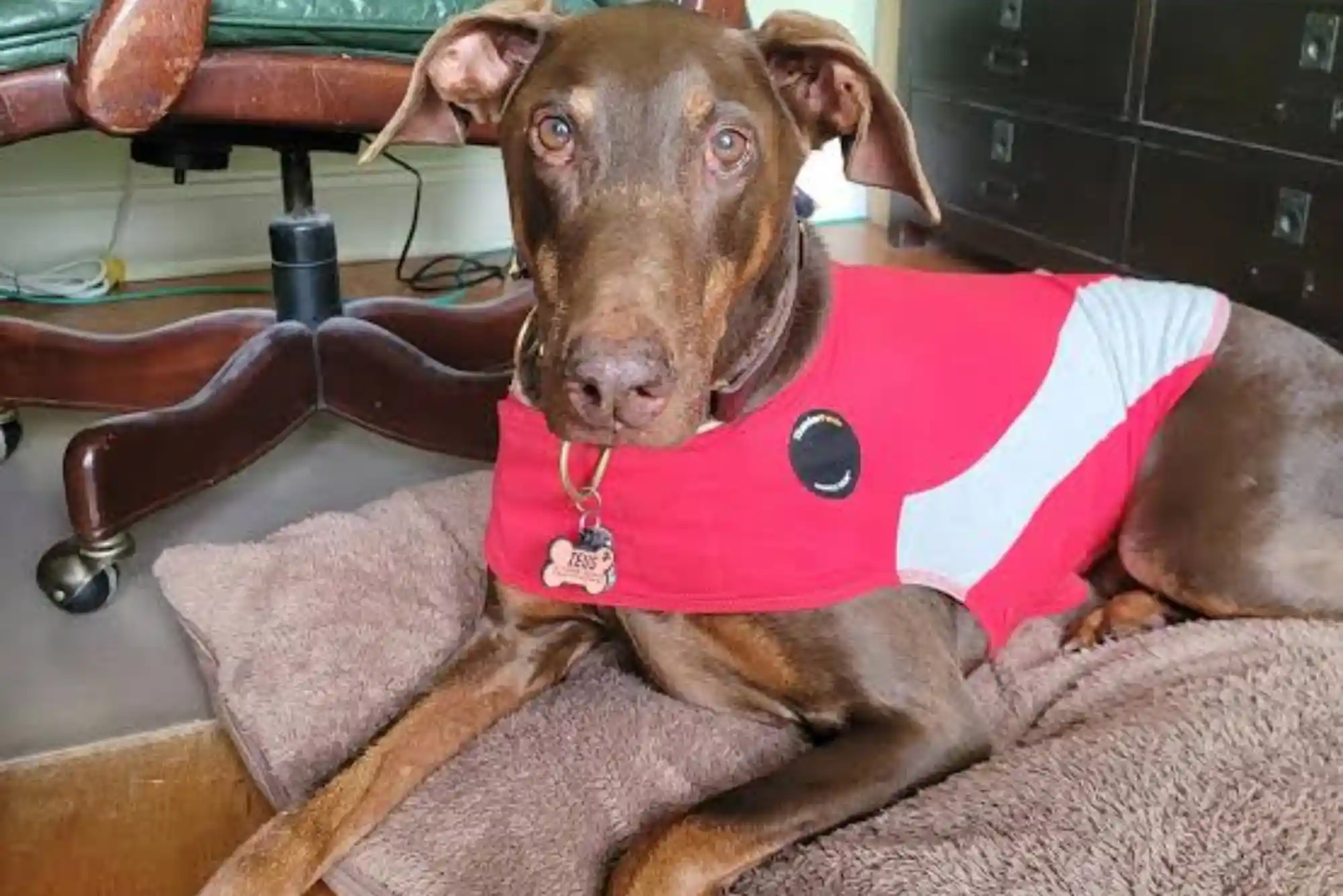
A Thundershirt is a fitted garment designed to apply gentle, consistent pressure around a dog’s torso. Some dogs appear more comfortable when wearing pressure wraps during stressful events.
It can be useful as part of a broader management plan, especially if your dog already tolerates wearing it comfortably.
However, a Thundershirt should not replace behavioral training. Veterinary sources note that pressure wraps such as Thundershirts may help some dogs, but scientific evidence supporting their effectiveness remains limited.
Introduce the shirt well before fireworks night or storm season. Let your dog wear it briefly in calm situations and pair it with treats or relaxing activities.
Never put an unfamiliar anxiety wrap on a panicking dog for the first time during a thunderstorm. That can create another stressful experience.
The fit should also allow normal movement and breathing. If your dog appears uncomfortable, overheated, restricted, or more anxious while wearing it, remove it.
Create a Safe Space Before the Noise Starts
A safe space gives your dog somewhere predictable to retreat when they feel overwhelmed.
Choose an interior room with fewer windows if possible. Close curtains or blinds to reduce flashes from fireworks and lightning. Comfortable bedding, familiar toys, and access to water can make the area more inviting.
Allow your dog to use this space voluntarily. The goal is for the room to become associated with relaxation rather than punishment or confinement.
Some dogs enjoy crates as safe spaces, but not every dog does. A severely frightened dog may panic when confined and could injure themselves trying to escape. Veterinary guidance recommends being particularly cautious about confinement during intense noise events.
What to Do During an Actual Fireworks Display or Storm
Training should happen beforehand, but management still matters when the real event arrives.
Bring your dog indoors before fireworks begin. Secure doors, windows, gates, and other possible escape routes. Keep identification information current in case your dog manages to get outside.
Offer access to the dog’s familiar safe area and use background sound if it helps. If your dog wants to stay close to you, allow them to do so without forcing interaction.
Your own behavior should remain calm and predictable. There is no need to punish barking, hiding, pacing, or other fear-related behaviors.
Most importantly, do not deliberately expose a terrified dog to loud noises to “teach them that nothing is wrong.” Flooding a fearful dog with an intense trigger is very different from controlled desensitization.
Common Mistakes When Desensitizing Dogs to Fireworks
One of the biggest mistakes is turning the recording up too quickly. Owners naturally want to see progress, but moving faster than the dog can handle may cause a setback.
Another mistake is training only once a week or only immediately before fireworks season. Regular practice gives your dog more opportunities to build a reliable positive association. Veterinary guidance suggests that consistent sessions are important and that maintenance practice can help prevent regression.
It is also a mistake to focus exclusively on sound. Thunderstorms contain multiple triggers, including flashes, wind, rain, and environmental changes. This explains why a dog that handles a recording perfectly may still become frightened during a real storm.
Finally, avoid forcing your dog to interact with the trigger. If they are too frightened to accept food or settle, the training intensity is too high.
When Should You Contact a Veterinarian?
Mild noise sensitivity may respond well to careful desensitization and counterconditioning. Severe phobias are different.
Speak with your veterinarian if your dog experiences extreme panic, attempts to escape, injures themselves, destroys doors or windows, refuses food for prolonged periods, or shows little improvement despite consistent training.
Some dogs need a combination of behavioral modification and veterinary treatment. Medication may be appropriate for severe anxiety, particularly when a dog cannot remain calm enough to learn through desensitization. Veterinary sources emphasize that medication should be discussed with and prescribed by a veterinarian rather than given independently.
A veterinary behaviorist can also help identify why the program is not working and adjust the intensity, timing, rewards, or treatment plan.
How Long Does It Take to Desensitize a Dog?
There is no universal timeline.
A dog with mild noise sensitivity may show noticeable improvement after several weeks of consistent practice. A dog with a longstanding phobia may require months and professional guidance.
The important measure is not how quickly you can increase the volume. It is whether your dog remains emotionally comfortable at each stage.
A successful session might look surprisingly uneventful. Your dog hears the recording, eats treats, lies down, and eventually ignores the sound. That quiet response is exactly what you are trying to build.
Continue occasional maintenance sessions even after your dog improves. Regular reinforcement can help preserve the progress you have made.
FAQs
How do I desensitize my dog to thunder?
Start with a very quiet thunder recording while your dog is relaxed. Pair the sound with high-value treats, play, or another positive activity. Gradually increase the volume across multiple sessions, but only while your dog remains comfortable. If your dog reacts, lower the intensity and progress more slowly.
How can I help my dog with fireworks anxiety?
Create a quiet indoor safe space, reduce visual and sound stimulation, and keep your dog away from outdoor fireworks. Long-term improvement comes from gradual sound desensitization and counterconditioning. A Thundershirt or other calming aid may provide additional support for some dogs, but it should not replace appropriate training.
Does a Thundershirt really work for dogs?
A Thundershirt may help some dogs feel more secure through gentle pressure around the body, but it does not work equally well for every dog. Evidence for pressure wraps is limited, so it is best considered one part of a broader anxiety-management strategy rather than a standalone treatment.
What can I give my dog for thunderstorm anxiety?
The right option depends on the severity of your dog’s anxiety. Behavioral training, environmental management, and calming aids may help mild cases. Dogs with severe anxiety may benefit from veterinarian-prescribed medication alongside behavior modification. Never give human anxiety medication or another medication without veterinary guidance.
How long does it take to desensitize a dog to fireworks?
It can take several weeks or longer. Dogs respond at different speeds depending on their previous experiences and the severity of their fear. Progress should be gradual, with the dog remaining relaxed throughout the process.
Should I comfort my dog during a thunderstorm?
You can calmly stay near your dog and allow them to seek reassurance, but avoid forcing interaction. Give them access to a familiar safe space and keep your behavior predictable. The priority is reducing fear and preventing panic rather than making your dog endure the storm.
Can I use music to calm my dog during fireworks?
Soft music or consistent background noise may help mask or reduce the impact of sudden outdoor sounds. However, background music is best viewed as a management tool. It does not replace systematic desensitization when the goal is long-term improvement.
Learning how to desensitize dogs to fireworks and thunderstorms requires patience, consistency, and a clear understanding of your dog’s comfort level. Sound therapy can provide a controlled way to introduce frightening noises, while counterconditioning helps your dog associate those sounds with positive experiences.
A safe space, careful management during real events, and tools such as a properly introduced Thundershirt can provide additional support. For dogs with severe noise phobia, however, professional veterinary guidance is often the safest and most effective route.