Introduction
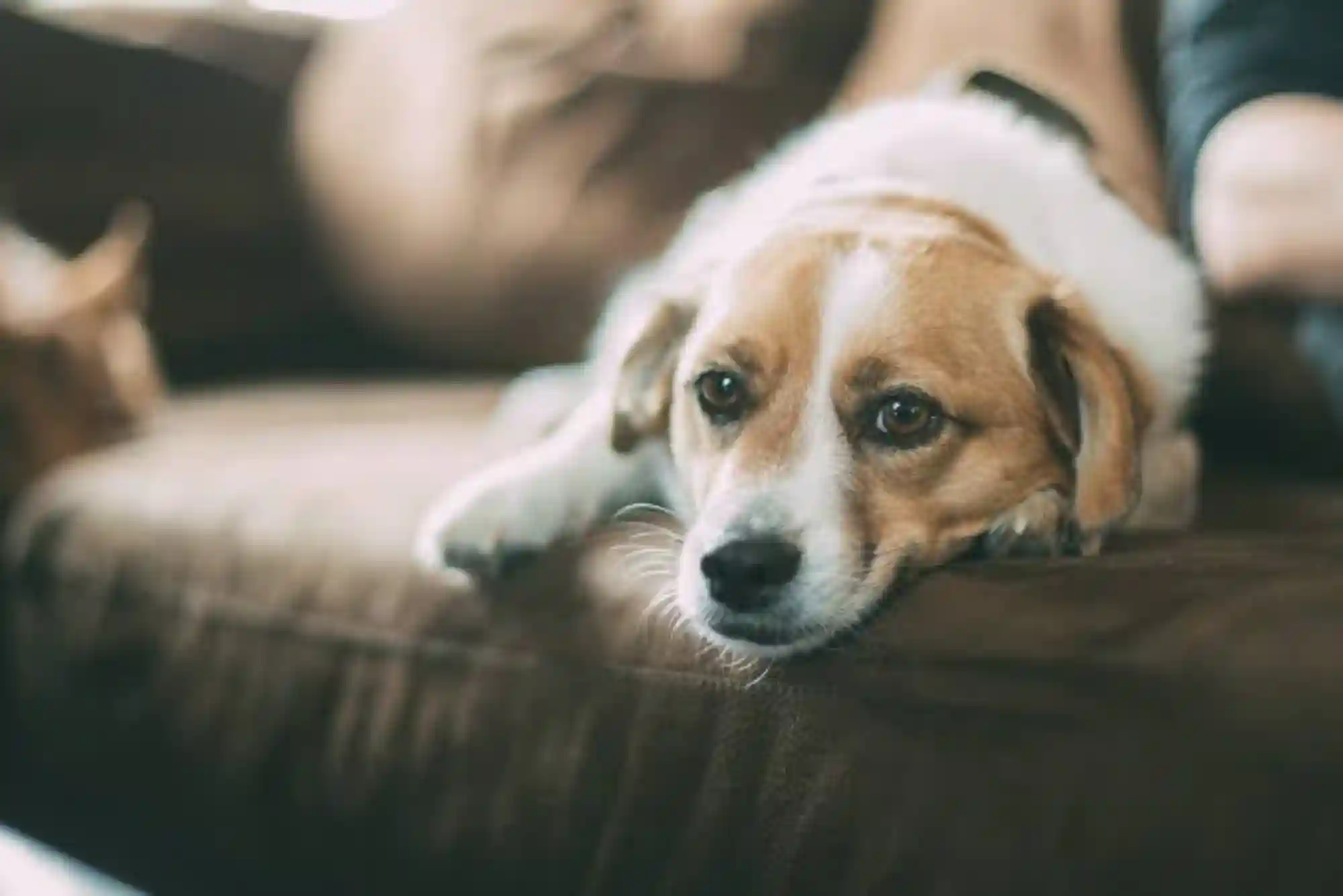
Watching a beloved dog grow older brings many changes. Some senior dogs become less active, while others develop unusual behaviors or disrupted sleep patterns. These changes may indicate Canine Cognitive Dysfunction (CCD): Managing Dementia and Sleep Cycle Changes in Senior Dogs becomes an important part of their daily care.
Canine Cognitive Dysfunction (CCD) is a progressive brain condition affecting older dogs. It resembles certain aspects of dementia in humans. Dogs with CCD may become confused, forget familiar routines, or wander around at night. They might also appear anxious or struggle to recognize familiar surroundings.
Although CCD cannot currently be cured, appropriate veterinary care can help manage its symptoms. Environmental adjustments, consistent routines, mental stimulation, and suitable nutrition can improve a senior dog’s quality of life.
What Is Canine Cognitive Dysfunction in Senior Dogs?
Canine Cognitive Dysfunction is an age-related neurological condition that affects memory, learning, awareness, and behavior. It develops as changes occur within the aging brain. These changes can interfere with a dog’s ability to navigate familiar environments and maintain established routines.
CCD is more common in older dogs, although symptoms and progression vary. Some dogs experience mild behavioral changes, while others require extensive daily support.
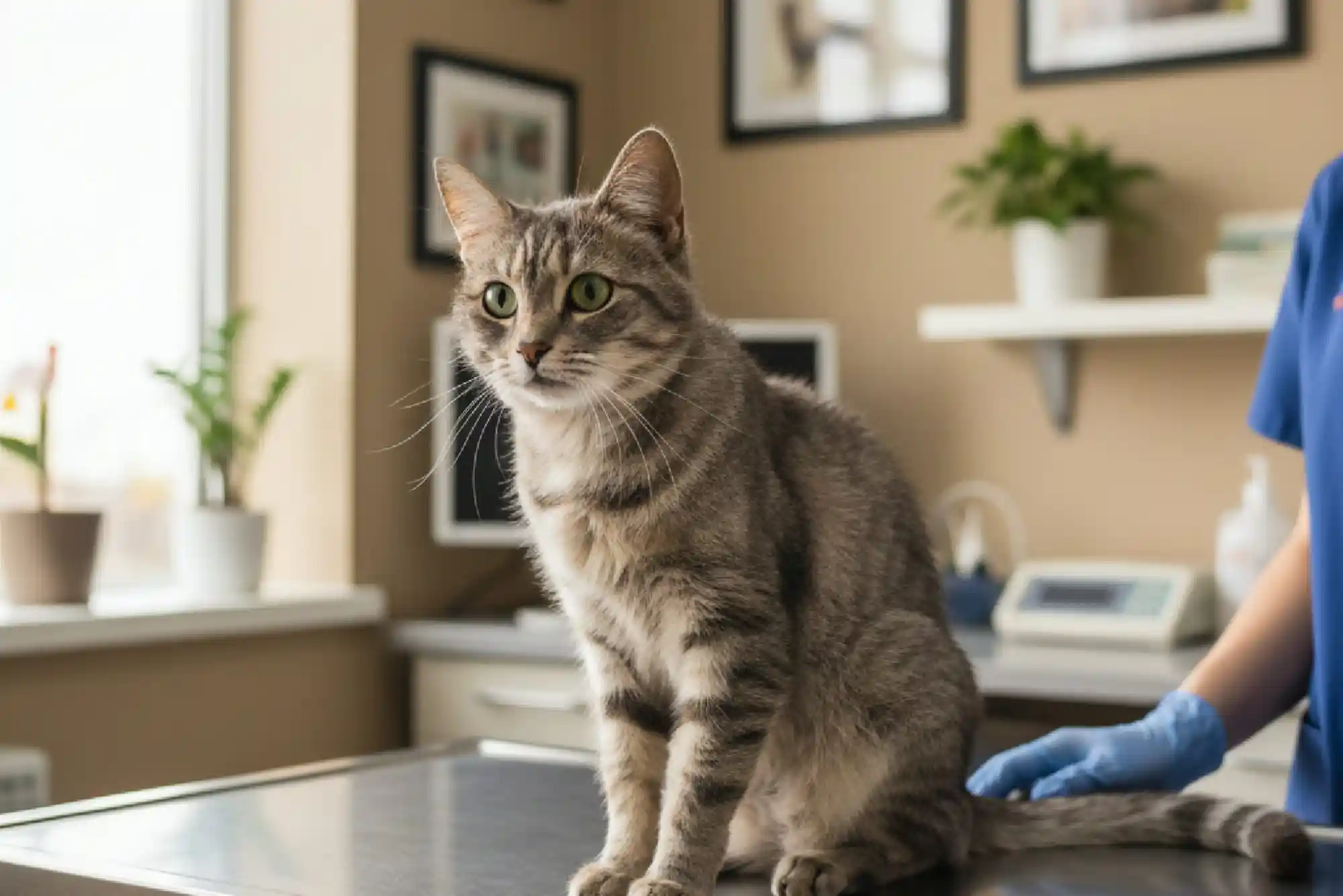
Importantly, not every unusual behavior in an older dog indicates dementia. Arthritis, vision loss, hearing problems, urinary conditions, and other illnesses can produce similar signs. Therefore, a veterinary examination is essential before assuming CCD is responsible.

Common Signs of Canine Cognitive Dysfunction
Recognizing early symptoms helps owners seek appropriate support. Changes often develop gradually, making them easy to mistake for normal aging.
Disorientation and Confusion
Dogs with CCD may appear lost in familiar rooms. They might stare at walls, become trapped behind furniture, or stand beside the wrong side of a door.
Some dogs forget familiar routes around their homes. Others struggle to find their food bowls or recognize previously familiar routines.
Changes in Social Behavior
A previously affectionate dog might become withdrawn or unusually clingy. Some dogs stop greeting family members enthusiastically. Others develop increased anxiety when left alone.
These changes can be distressing, particularly when they affect long-established relationships. Patience and gentle reassurance help dogs feel safer.
Loss of House Training
Senior dogs with cognitive dysfunction may begin urinating or defecating indoors. They might forget previously learned bathroom routines or struggle to signal when they need to go outside.
However, sudden accidents can also indicate urinary infections, kidney disease, diabetes, or mobility problems. A veterinarian should investigate new or worsening accidents.
Increased Anxiety and Restlessness
Some dogs become unsettled without an obvious reason. They may pace repeatedly, whine, bark excessively, or struggle to relax.
These behaviors can become more noticeable during the evening. Consequently, identifying triggers and maintaining predictable routines can make daily life easier.
Why Does CCD Affect Sleep Cycles in Senior Dogs?
Sleep disturbances are among the most challenging symptoms of canine cognitive dysfunction. Healthy dogs naturally experience changes in their sleep patterns as they age. However, CCD can disrupt the normal relationship between daytime activity and nighttime rest.
Affected dogs may sleep more during daylight hours. At night, they might wander, vocalize, pace, or repeatedly ask to go outside.
These changes are sometimes described as a reversed sleep-wake cycle. The dog appears tired during the day but becomes restless after sunset.
Changes in brain function may contribute to disrupted circadian rhythms. These rhythms help regulate sleep, alertness, and other daily biological processes.
Nevertheless, nighttime restlessness does not automatically mean dementia. Pain, frequent urination, digestive discomfort, anxiety, and sensory decline can also interrupt sleep. A veterinary assessment helps identify the underlying cause.
How to Manage Dementia and Sleep Changes in Senior Dogs
Managing canine cognitive dysfunction requires a practical, compassionate approach. The goal is to reduce confusion, support healthy sleep, and maintain comfort.
Establish a Consistent Daily Routine
Predictability helps senior dogs feel secure. Try to maintain consistent times for meals, walks, bathroom breaks, play, and bedtime.
Avoid unnecessary changes to furniture placement. Keep essential items in familiar locations so your dog can navigate the home more easily.
A predictable routine also helps owners identify behavioral patterns. For example, recording nighttime waking can reveal whether symptoms occur after particular activities or meals.
Encourage Daytime Activity
Appropriate daytime activity can support better nighttime rest. Gentle walks, supervised garden time, and short play sessions provide physical and mental engagement.
Choose activities according to your dog’s mobility and health. A dog with arthritis may benefit from several short walks rather than one demanding outing.
Daylight exposure during morning walks may also help reinforce daily rhythms. However, avoid strenuous exercise, particularly during hot weather or when your dog has existing medical conditions.
Create a Comfortable Sleeping Environment
A calm sleeping area can reduce nighttime anxiety. Provide a supportive bed in a familiar, quiet location.
Nightlights may help dogs experiencing vision loss navigate their surroundings. Clear pathways also reduce the risk of collisions or falls.
Some dogs feel more secure sleeping near their owners. Others prefer a quiet, familiar bed away from household activity. Observe your dog’s preferences and choose a safe arrangement.
Respond Calmly to Nighttime Restlessness
When a dog wakes repeatedly, shouting or punishment can increase fear. Instead, approach calmly and check whether your dog needs the toilet or appears uncomfortable.
Offer gentle reassurance without creating excessive excitement. If your dog begins pacing, guide them toward a familiar resting area.
Avoid rewarding every episode with stimulating play. The aim is to communicate safety while keeping nighttime activity quiet.
If restlessness becomes frequent, discuss it with your veterinarian. Effective management depends on identifying whether cognitive changes, pain, anxiety, or another condition is responsible.
Nutrition and Mental Stimulation for Dogs With CCD
Nutrition and enrichment can support overall brain health. However, no single food or supplement can guarantee the prevention or reversal of canine dementia.
Choose a Suitable Diet
Senior dogs need balanced nutrition appropriate for their age, weight, activity level, and medical conditions. Some veterinary diets are specifically formulated to support cognitive health.
Certain diets contain antioxidants or other nutrients studied for their potential benefits in aging dogs. Your veterinarian can help determine whether a specialized diet is appropriate.
Avoid changing food suddenly. Introduce dietary adjustments gradually unless your veterinarian recommends otherwise.
Provide Gentle Mental Enrichment
Mental stimulation encourages engagement with familiar surroundings. Simple activities may include food puzzles, gentle scent games, and supervised exploration.
Keep activities short and enjoyable. Complicated tasks can frustrate a dog experiencing confusion or reduced sensory abilities.
Familiar training exercises can also provide useful stimulation. Reward simple responses, such as coming when called or settling on a comfortable bed.
Importantly, enrichment should never become a source of stress. Adapt activities to your dog’s changing abilities.
Veterinary Treatment for Canine Cognitive Dysfunction
There is no universal treatment that eliminates CCD. Nevertheless, veterinary care can help manage symptoms and identify additional health problems.
Your veterinarian may recommend a physical examination, neurological assessment, blood tests, or urine testing. These investigations can help rule out conditions that resemble cognitive decline.
Depending on the dog’s symptoms, treatment may include a prescription medication, a therapeutic diet, or selected supplements. Some dogs also benefit from treatment for anxiety or pain when these problems contribute to disrupted sleep.
Never give human sleeping tablets, sedatives, or supplements without veterinary guidance. Some products can be dangerous for dogs or interact with existing medication.
Seek prompt veterinary attention if your dog develops sudden confusion, severe weakness, seizures, collapse, or abrupt behavioral changes. These signs may indicate a condition requiring urgent treatment rather than gradual cognitive decline.
Frequently Asked Questions
What Are the First Signs of Dementia in Dogs?
Early signs can include confusion, altered social interactions, nighttime restlessness, house-training accidents, and reduced responsiveness to familiar commands. Symptoms often develop gradually. A veterinarian can assess these changes and investigate other possible causes.
How Can I Help My Senior Dog Sleep Through the Night?
Maintain a consistent bedtime, provide daytime activity, and schedule a bathroom break before sleep. Keep the sleeping area comfortable and use nightlights when needed. If your dog frequently wakes or paces, consult a veterinarian to investigate pain, urinary problems, and cognitive dysfunction.
Can Canine Cognitive Dysfunction Be Reversed?
CCD is generally progressive and cannot currently be cured. However, veterinary treatment, environmental adjustments, suitable nutrition, and behavioral support may help manage symptoms. Early assessment can also identify other conditions that may be treatable.
At What Age Do Dogs Develop Dementia?
Canine cognitive dysfunction becomes more common as dogs enter their senior years. Some dogs show signs around nine or ten years old, while others develop symptoms later. The likelihood varies with breed, size, individual health, and lifespan.
What Is the Life Expectancy of a Dog With CCD?
There is no single life expectancy for dogs with CCD. The condition progresses differently between individuals. Overall health, mobility, appetite, anxiety, sleep quality, and the ability to enjoy daily activities all influence care decisions.
Should I Wake My Dog During the Day to Prevent Nighttime Restlessness?
Avoid routinely forcing a senior dog to stay awake. Instead, encourage gentle daytime activity and natural daylight while allowing adequate rest. Discuss persistent sleep reversal with your veterinarian before attempting major changes.
Conclusion
Canine Cognitive Dysfunction can change how senior dogs sleep, interact, and navigate familiar environments. Although these changes can be difficult, thoughtful care can help dogs remain comfortable and connected to their families.