
Introduction
Summer places significant demands on air conditioning systems. As temperatures rise, an AC unit may operate for long hours with little opportunity to rest. If the system has accumulated dust, developed worn components, or suffered from restricted airflow during the previous season, those weaknesses can quickly become noticeable when cooling demand reaches its peak.
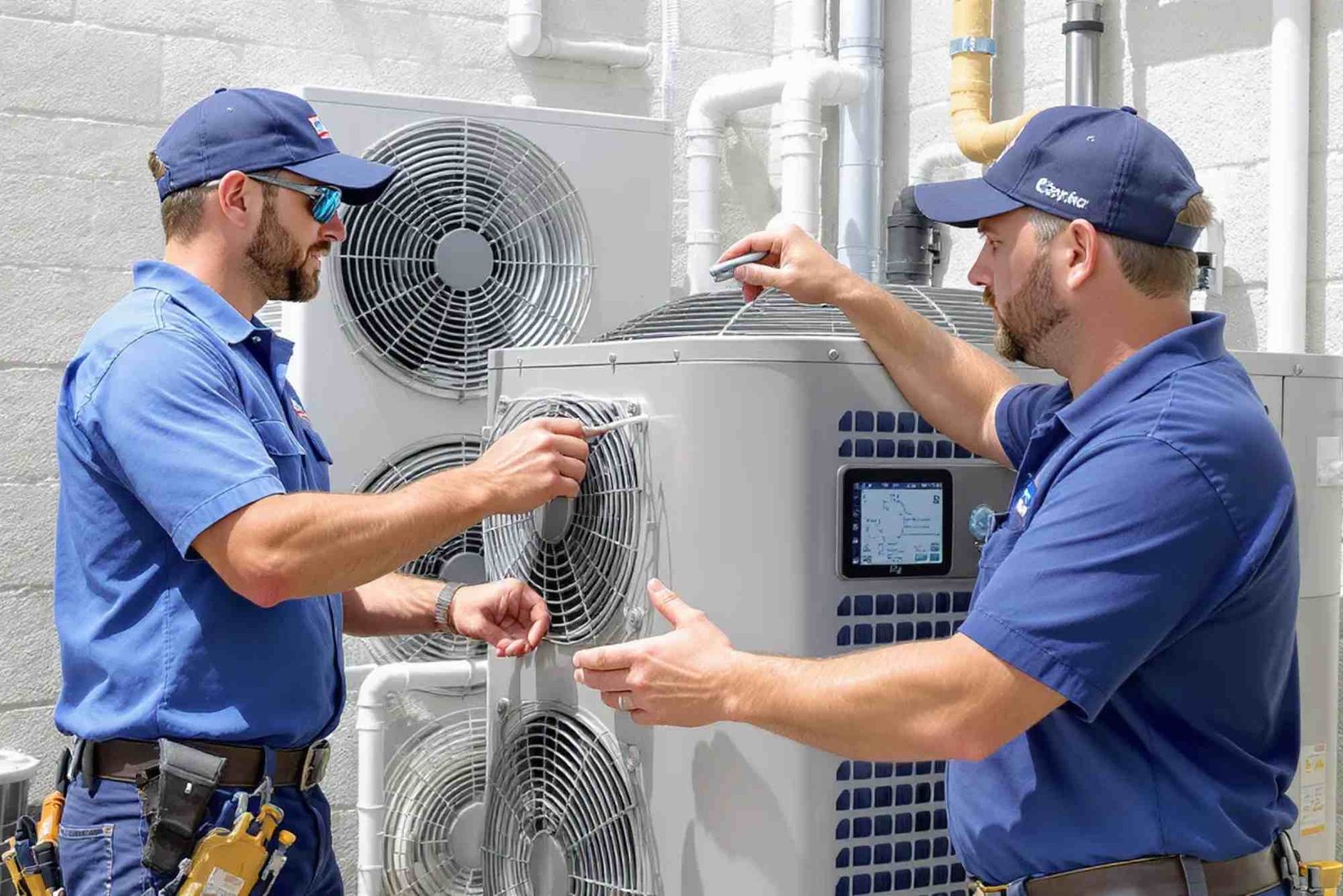
This is why seasonal AC maintenance should be treated as preparation rather than an emergency response. A professional inspection before the hottest months gives technicians an opportunity to identify developing problems, clean critical components, verify system performance, and make adjustments before the equipment is placed under sustained pressure. Regular maintenance can also support better efficiency, more consistent indoor comfort, and fewer unexpected service interruptions.
For property owners considering a reliable cooling system or professional support, an experienced O General ac dealer can provide useful guidance on equipment, servicing, and suitable solutions. Similarly, an O General ac Supplier can help property owners understand available air conditioning options and ongoing system requirements.
Why Seasonal AC Maintenance Matters Before Summer
An air conditioner does not suddenly become inefficient on the first hot day of summer. Performance usually declines gradually as filters become dirty, coils collect debris, electrical components age, and airflow becomes restricted. Because these changes can be difficult to notice during normal operation, small problems may continue until they become expensive repairs.
Seasonal AC maintenance provides a controlled opportunity to inspect the system while there is still time to correct faults. Instead of discovering a weak capacitor or blocked drain during a heatwave, the issue can be addressed before the equipment has to operate continuously.
A well-maintained system is also better prepared for the longer operating cycles that typically occur during hot weather. When components are clean and the system is operating according to its design specifications, the equipment can transfer heat more effectively and maintain comfortable indoor temperatures without unnecessary strain.

How Seasonal AC Maintenance Improves Cooling Performance
Cleaning Helps the System Transfer Heat
Dirt is one of the most common enemies of air conditioning efficiency. Dust can accumulate on filters, evaporator coils, condenser coils, fans, and other components. When these surfaces become dirty, heat transfer and airflow can be affected.
During seasonal AC maintenance, technicians can inspect and clean relevant components based on the system design and condition. A cleaner heat-transfer surface allows the system to operate closer to its intended performance.
For outdoor units, keeping the surrounding area free from leaves, vegetation, dust, and other obstructions is equally important. The condenser needs adequate airflow to release heat extracted from the building.
Airflow Restrictions Can Be Identified Early
Strong airflow is essential for effective cooling. A blocked filter, dirty blower, obstructed duct, or other airflow problem can make the system work harder while delivering less comfort.
Professional maintenance allows airflow problems to be investigated before they become obvious during peak summer operation. Technicians can examine filters, indoor components, ducts where accessible, and supply and return air pathways to determine whether the system is moving air effectively.
Refrigerant Performance Can Be Checked
Refrigerant is essential to the cooling process. If the system has a refrigerant leak or another problem affecting the refrigeration circuit, cooling performance may decline.
A professional technician can evaluate operating conditions and investigate signs of abnormal refrigerant performance. Simply adding refrigerant without identifying the underlying problem is not a substitute for proper diagnosis. If a leak exists, it should be located and repaired appropriately.
Seasonal AC Maintenance Helps Prevent Summer Breakdowns
One of the strongest reasons to schedule seasonal AC maintenance is to reduce the possibility of an unexpected breakdown during periods of extreme demand.
Air conditioners often reveal weaknesses when they are operating continuously. Components such as capacitors, contactors, motors, electrical connections, and fans can experience significant stress during prolonged operation. A maintenance visit gives a technician the opportunity to inspect these areas and identify signs of wear.
Electrical Components Need Attention
Electrical faults can prevent an otherwise healthy-looking AC system from starting or operating correctly. Loose connections, damaged wiring, worn contactors, or deteriorating capacitors may cause unreliable performance.
Professional technicians can inspect electrical components and test relevant operating conditions using appropriate equipment. This is particularly important because electrical diagnostics and repairs should not be attempted casually by untrained homeowners.
Drainage Problems Can Cause Secondary Damage
Air conditioning removes moisture from indoor air as part of the cooling process. That moisture collects as condensate and must be drained away properly.
A blocked condensate drain can cause water to back up around the indoor unit. Depending on the installation, this can lead to water damage, unpleasant odors, or system shutdowns.
Checking the condensate drainage system during seasonal AC maintenance can help identify restrictions before the cooling season becomes demanding.
Better Energy Efficiency Through Preventive Care
Energy efficiency is another major benefit of preparing an AC system before summer. An air conditioner that is dirty, poorly maintained, or struggling with restricted airflow may require more energy to deliver the same level of cooling.
Maintenance cannot transform an inefficient or incorrectly sized system into a highly efficient one, but it can help an existing system operate as intended.
For example, a clean filter allows air to move more freely. Clean coils can support effective heat transfer. Proper airflow helps the system distribute conditioned air more effectively. Correctly functioning controls can also prevent unnecessary operation.
These improvements become particularly valuable during summer because cooling systems may operate for many hours each day.
Seasonal AC Maintenance Supports Consistent Indoor Comfort
Comfort is about more than simply reaching a desired thermostat setting. A properly maintained system should provide reasonably consistent cooling throughout the conditioned space.
When airflow is restricted or components are not functioning correctly, some rooms may feel warmer than others. The system may also run for extended periods without achieving the expected comfort level.
During seasonal AC maintenance, a technician can evaluate the system’s overall operation and look for conditions that could contribute to uneven cooling. In commercial buildings, this can be especially important because temperature differences can affect employees, customers, equipment, and productivity.
Why Maintenance Should Be Scheduled Before Peak Summer
Waiting until an AC system stops working is one of the least convenient ways to manage cooling equipment. Peak summer is typically when HVAC contractors receive the greatest number of emergency service requests, which can mean longer waiting times and greater disruption.
Scheduling seasonal AC maintenance before the cooling season provides a practical advantage. If a technician discovers a problem, there is usually more time to arrange repairs, source replacement parts, or consider replacement options when necessary.
Pre-season servicing also creates a useful performance baseline. If the system later develops a problem, previous maintenance records can help technicians understand how its performance has changed.
How Professional Seasonal AC Maintenance Works
Initial System Inspection
A professional visit normally begins with an assessment of the equipment’s general condition. The technician may examine the indoor and outdoor units, controls, filters, visible ductwork, drainage, electrical components, and other system-specific parts.
The exact procedure depends on whether the property uses a split system, ducted system, packaged unit, or another type of air conditioning equipment.
Performance Testing
The technician can then operate the system and evaluate its performance. Depending on the equipment, this may involve checking temperatures, airflow, electrical readings, refrigerant-related operating conditions, and control functions.
The purpose is not simply to confirm that cold air is coming from the vents. A professional assessment looks at whether the system is operating properly as a complete cooling system.
Cleaning and Adjustments
Once inspection and testing identify maintenance requirements, appropriate cleaning and adjustments can be performed. Filters may be replaced or cleaned, coils may require attention, drainage may be cleared, and other components can be serviced according to manufacturer recommendations.
This is where professional seasonal AC maintenance can provide considerably more value than simply changing an air filter.
What Property Owners Can Do Between Professional Visits
Professional servicing is important, but property owners can also support their AC system throughout the cooling season.
Keep filters clean or replace them according to the manufacturer’s recommendations and the property’s operating conditions. Check the outdoor unit periodically and remove obvious leaves, rubbish, or vegetation that could interfere with airflow.
Pay attention to unusual sounds, unpleasant odors, water around the indoor unit, weak airflow, unusually long cooling cycles, or noticeable changes in electricity consumption. These signs do not always indicate the same problem, but they deserve attention rather than being ignored.
Avoid attempting refrigerant work or electrical repairs yourself. These areas require appropriate technical knowledge, tools, and safety procedures.
Seasonal Maintenance Can Extend AC Equipment Life
Air conditioning equipment is a significant investment, particularly in commercial properties and larger buildings. Replacing a system prematurely can involve substantial equipment, installation, and downtime costs.
Routine seasonal AC maintenance can help protect that investment by addressing developing issues before they cause extensive component damage. It also helps keep the system clean and operating under appropriate conditions.
Maintenance cannot prevent every failure, and an older system will eventually reach the end of its useful service life. However, responsible maintenance can help owners get more dependable service from equipment that is otherwise in good condition.
When Seasonal AC Maintenance Is Especially Important
Some systems deserve particularly careful attention before summer. Older air conditioners, heavily used commercial systems, equipment installed in dusty environments, and units that experienced cooling problems during the previous season may benefit from a thorough professional inspection.
Buildings with high occupancy can also place considerable demand on cooling systems. Offices, retail spaces, restaurants, clinics, and other commercial properties may depend on reliable air conditioning throughout long operating hours.
In these situations, seasonal AC maintenance is not simply about comfort. It can support business continuity, protect indoor conditions, and reduce the likelihood of disruptive cooling failures.
How to Choose the Right AC Service Professional
When arranging pre-summer maintenance, look for a service provider with experience working on the type of system installed at your property. Ask what the maintenance appointment includes rather than assuming every “tune-up” covers the same work.
A reputable professional should be able to explain identified problems clearly, distinguish urgent repairs from routine recommendations, and provide transparent information before carrying out additional work.
For owners using O General equipment, working with an experienced O General ac dealer can also make it easier to obtain brand-specific advice and appropriate service support. An established O General ac Supplier may likewise be useful when equipment replacement or new installation becomes necessary.
Preparing an air conditioner before summer is far more sensible than waiting for a breakdown in the middle of extreme heat. Seasonal AC maintenance gives property owners an opportunity to identify developing faults, improve airflow, clean important components, check system performance, and prepare equipment for sustained cooling demand.
Discover fresh ideas, useful insights, and engaging content at UpToHype. Whether you are looking for trending topics, helpful information, or inspiring perspectives, UpToHype offers content worth exploring.
FAQs
How often should I have my AC serviced?
For many systems, professional AC maintenance once a year is a practical minimum, with pre-summer servicing being particularly useful. Systems that operate heavily or under demanding conditions may require more frequent attention.
What maintenance should be done on an AC unit?
Maintenance commonly includes checking or replacing filters, cleaning coils, inspecting airflow, checking condensate drainage, evaluating electrical components, examining refrigerant-related operating conditions, and testing overall system performance. The exact requirements vary by equipment type.
Is AC maintenance really necessary?
Yes. Routine maintenance can identify small problems before they become major failures and can help the equipment operate efficiently and reliably during periods of heavy cooling demand.
Can I do AC maintenance myself?
Some basic tasks, such as replacing filters and keeping the outdoor unit clear of debris, can generally be handled by property owners. Refrigerant work, electrical testing, and complex internal cleaning should be performed by a qualified technician.
What is the best time to service an AC unit?
Pre-summer servicing is generally a sensible choice because it allows potential problems to be discovered before the system faces sustained high demand. Scheduling early can also make it easier to arrange repairs before peak cooling periods.
Related Reading: المناعة: طريقة سهلة وفعالة — full guide
Related Reading: الحياة الاجتماعية: أفضل الممارسات — full guide
Related Reading: ما هو أفضل نظام غذائي لمرضى السكري؟ — full guide
Related Reading: مواقع تسوق اون لاين رخيصة لملابس الأطفال — full guide
Related Reading: مواعيد التقديم والقبول في جامعة ميديبول
Related Reading: كيف أشتري من بديل علي اكسبرس بسهولة — full guide