Introduction
Resource guarding in dogs can make everyday activities stressful for owners. A dog may growl over dinner, snap when someone approaches a toy, or protect a stolen household item. These behaviors can feel alarming, especially when children or other pets live in the home.
Resource guarding in dogs happens when a dog tries to keep something valuable from being taken away. Fortunately, careful training can help dogs feel safer around their possessions. Trade drills are particularly useful because they teach dogs that releasing an item can bring something equally valuable or even better.
However, successful training requires patience, consistency, and an understanding of canine body language. Punishment and forced removal can increase fear and make guarding more dangerous. This guide explains how to approach resource guarding safely and build healthier habits.
What Is Resource Guarding in Dogs?
Resource guarding is a behavior dogs use to protect things they consider valuable. These resources may include food, bones, toys, beds, stolen objects, or even a favorite resting place.
Some dogs show subtle signs before becoming aggressive. They may eat faster, freeze, turn their heads away, or position their bodies over an item. Others may growl, bare their teeth, lunge, or bite when someone approaches.
Importantly, resource guarding does not automatically mean a dog is dominant or disobedient. Fear, insecurity, previous experiences, and individual temperament can influence the behavior.

Recognizing early warning signs helps owners respond before the situation escalates.
Why Do Dogs Guard Food and Toys?
Dogs may guard resources for several reasons. Some have learned that people approaching their food means it will disappear. Others may have experienced competition over meals, toys, or resting spaces.
A dog adopted from a shelter may have an unknown history of competing for limited resources. Nevertheless, resource guarding can also develop in dogs raised in comfortable, loving homes.
Genetics, stress, anxiety, and changes in the household may contribute. Pain or illness can also make a dog more defensive when approached.
Therefore, sudden or worsening guarding deserves veterinary attention. A veterinarian can check for medical problems that may influence the behavior.
Understanding the underlying cause allows owners to choose a suitable training approach instead of simply suppressing warning signs.
How Trade Drills Help Stop Resource Guarding in Dogs
Trade drills teach dogs that releasing an object does not always mean losing something valuable. Instead, giving something up can lead to a rewarding outcome.
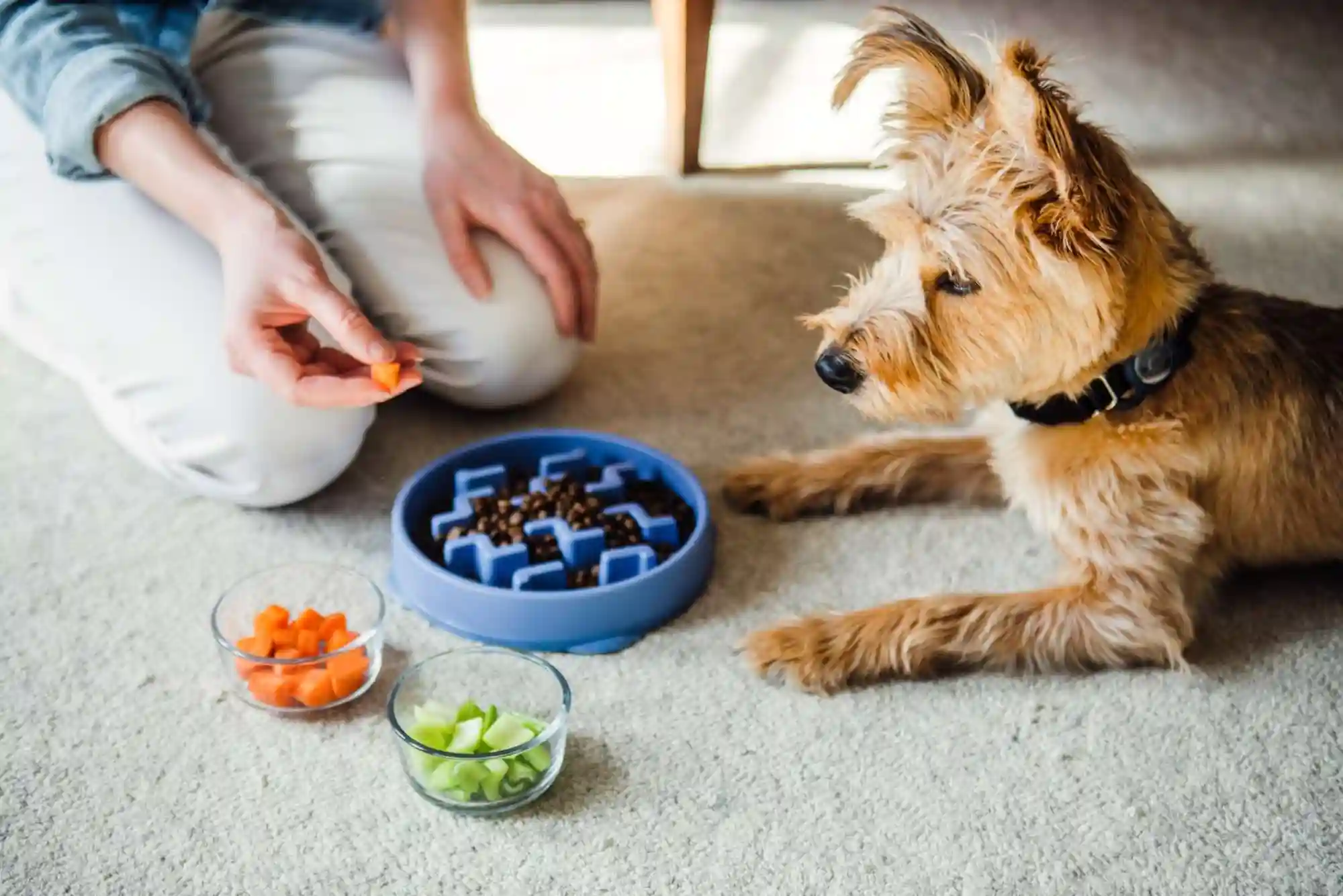
For example, a dog holding a toy learns to release it in exchange for a delicious treat. Once the dog understands the game, owners can gradually practice with different toys and everyday objects.
The goal is not to trick the dog into surrendering possessions. It is to create a positive association with approaching hands and releasing items.
Start With a Low-Value Toy
Choose a toy your dog enjoys but does not fiercely protect. Begin in a quiet room with minimal distractions.
Allow your dog to hold the toy without grabbing it. Then, present a high-value treat at a comfortable distance. Choose something safe that your dog finds more appealing than the toy.
When your dog voluntarily releases the toy, calmly say a cue such as “drop” or “trade.” Immediately reward the release with the treat.
Once the dog finishes eating, return the toy if it is safe to do so. This teaches that releasing an object does not necessarily end the fun.
Keep sessions short and relaxed. If your dog stiffens, freezes, growls, or refuses food, stop the exercise and reassess the difficulty.
Gradually Introduce the Trade Cue
After several successful exchanges, introduce the verbal cue just before presenting the reward. Over time, your dog can learn to release the toy when hearing the cue.
Practice with different low-value objects before moving toward more desirable toys. Change only one aspect of the exercise at a time.
Avoid repeatedly testing your dog with highly valuable possessions. Training should build confidence rather than provoke a guarding response.
If your dog has already snapped or bitten during exchanges, seek guidance from a qualified, reward-based behavior professional before attempting hands-on drills.
How to Manage Food Resource Guarding Safely
Food guarding requires extra care because meals can be especially valuable to dogs. Never begin by reaching into the food bowl, touching the dog’s face, or removing food to prove a point.
Instead, focus on changing what your approach predicts.
Build Positive Associations Around the Food Bowl
Start at a distance where your dog remains relaxed while eating. Walk past without reaching toward the bowl, then toss a small piece of especially tasty food toward it.
Repeat occasionally, keeping your movements calm and predictable. Your dog should begin associating a person’s approach with an additional reward rather than a threat.
Only decrease the distance if your dog consistently remains comfortable. If the dog freezes, eats frantically, gives a hard stare, or growls, increase the distance.
Do not attempt this exercise if the dog may bite. Professional support is safer when guarding is intense.
Establish a Peaceful Feeding Routine
Feed your dog in a quiet area where people and other animals will not interrupt. Keep children away during meals, and prevent other pets from approaching the bowl.
Allow the dog to finish eating before picking up the bowl. If food needs to be removed urgently, avoid confronting the dog directly.
For dogs that guard food from other pets, separate feeding areas and closed doors can reduce competition. Management is not a training failure; it prevents incidents while safer behavior develops.
Preventing Toy and Object Guarding
Toy guarding can occur during play, when someone tries to retrieve a ball, or when a dog steals an object from the floor.
Trade drills can help, but preventing unnecessary confrontations is equally important.
Keep dangerous household objects out of reach. Provide suitable toys and supervise play when necessary. If your dog steals something harmless, avoid chasing, cornering, or forcibly opening its mouth.
Instead, offer a safe, high-value alternative when appropriate. Once the dog moves away from the object, secure it without creating a confrontation.
Never use trade drills to obtain dangerous items by placing yourself within biting distance. For hazardous objects, contact a veterinarian promptly for advice on the safest response.
Common Mistakes That Make Resource Guarding Worse
Punishing growling is one of the most concerning mistakes. Growling communicates discomfort and gives people an opportunity to step away. Suppressing this warning without addressing the underlying fear may increase bite risk.
Another mistake is repeatedly taking food or toys away to teach the dog that humans control everything. These experiences can strengthen the dog’s expectation that approaching people mean losing possessions.
Owners may also progress too quickly, offering insufficient rewards or practicing when the dog is already stressed. Inconsistent rules can create further confusion.
Instead, prioritize gradual training, generous rewards, and predictable interactions. Let the dog’s relaxed body language guide progress.
When Should You Seek Professional Help?
Professional assistance is important when resource guarding involves biting, attempted biting, lunging, or intense threats. It is also advisable when children are present or the dog guards several types of resources.
A veterinarian can assess potential medical contributors and recommend suitable behavior support. A qualified veterinary behaviorist or reward-based behavior consultant can develop an individualized plan.
Until then, use physical barriers, separate feeding spaces, and careful supervision. Never ask children to participate in guarding exercises.
Progress varies between dogs. Some improve with simple management and structured training, while others need longer-term behavioral support.
Frequently Asked Questions
Can resource guarding in dogs be cured?
Many dogs improve significantly with careful management and reward-based behavior modification. However, outcomes depend on the dog’s history, triggers, and guarding severity. Some dogs need lifelong management to prevent dangerous situations.
How do you stop a dog from guarding food?
Avoid taking food away or punishing warning signs. Feed the dog in a quiet, protected area and build positive associations with human approaches only when safe. Severe cases require professional guidance.
Should I take toys away from a resource-guarding dog?
Avoid forcibly removing toys because confrontation can increase guarding. Teach voluntary exchanges with rewarding trades, starting with low-value objects. If your dog has shown aggression, consult a qualified professional before practicing.
Why does my dog growl when I approach its food?
Your dog may worry that you will take its food away. The growl communicates discomfort or a desire for more distance. Give the dog space and seek professional advice if the behavior persists or escalates.
Are trade drills effective for resource guarding?
Trade drills can help dogs learn that releasing an object leads to a positive outcome. Their effectiveness depends on appropriate rewards, gradual progression, and the dog’s emotional comfort. They are not a substitute for professional help in serious cases.
Conclusion
Resource guarding in dogs can be challenging, but understanding the behavior makes safer solutions possible. Trade drills encourage dogs to release objects voluntarily while building positive associations with people approaching their possessions.